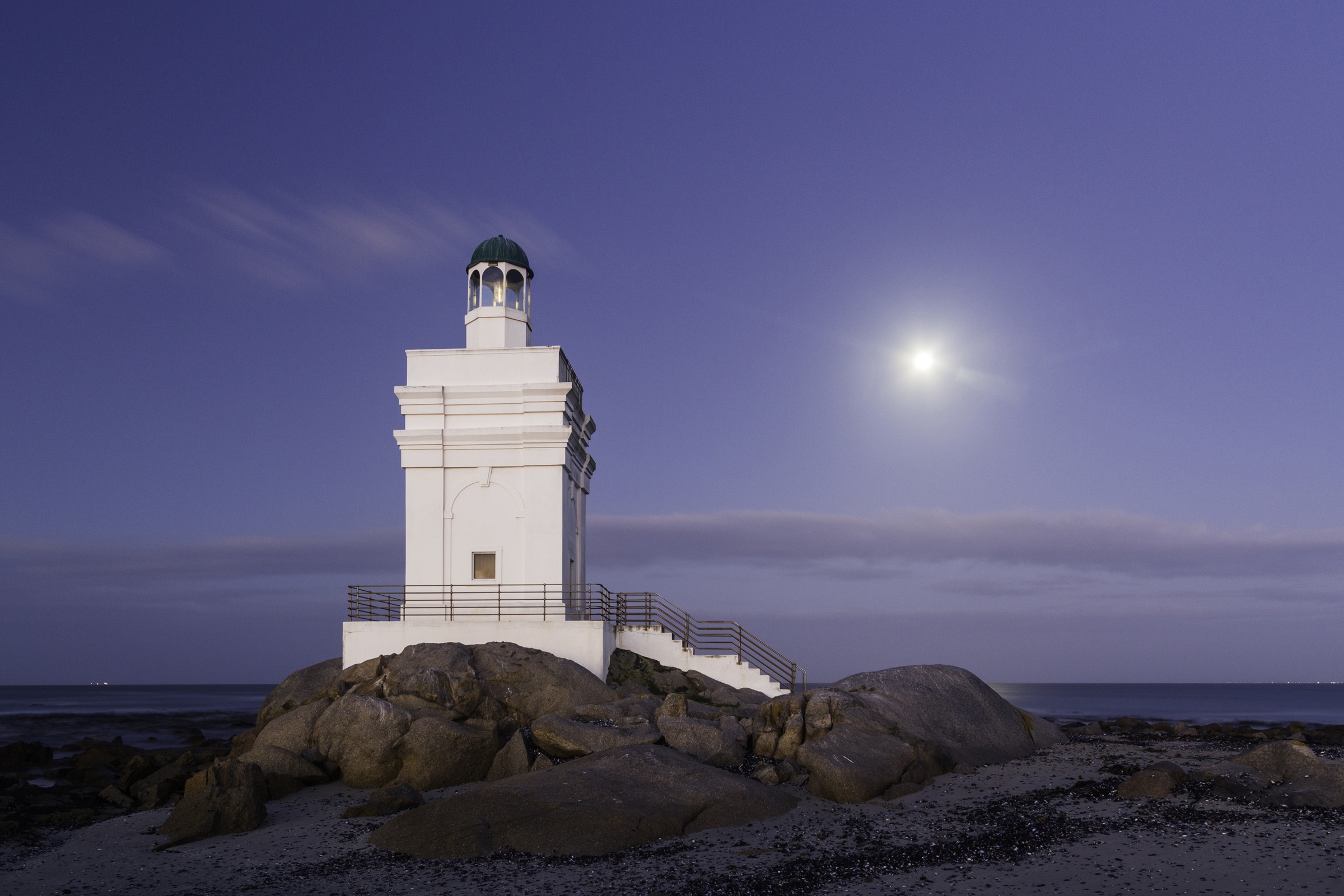
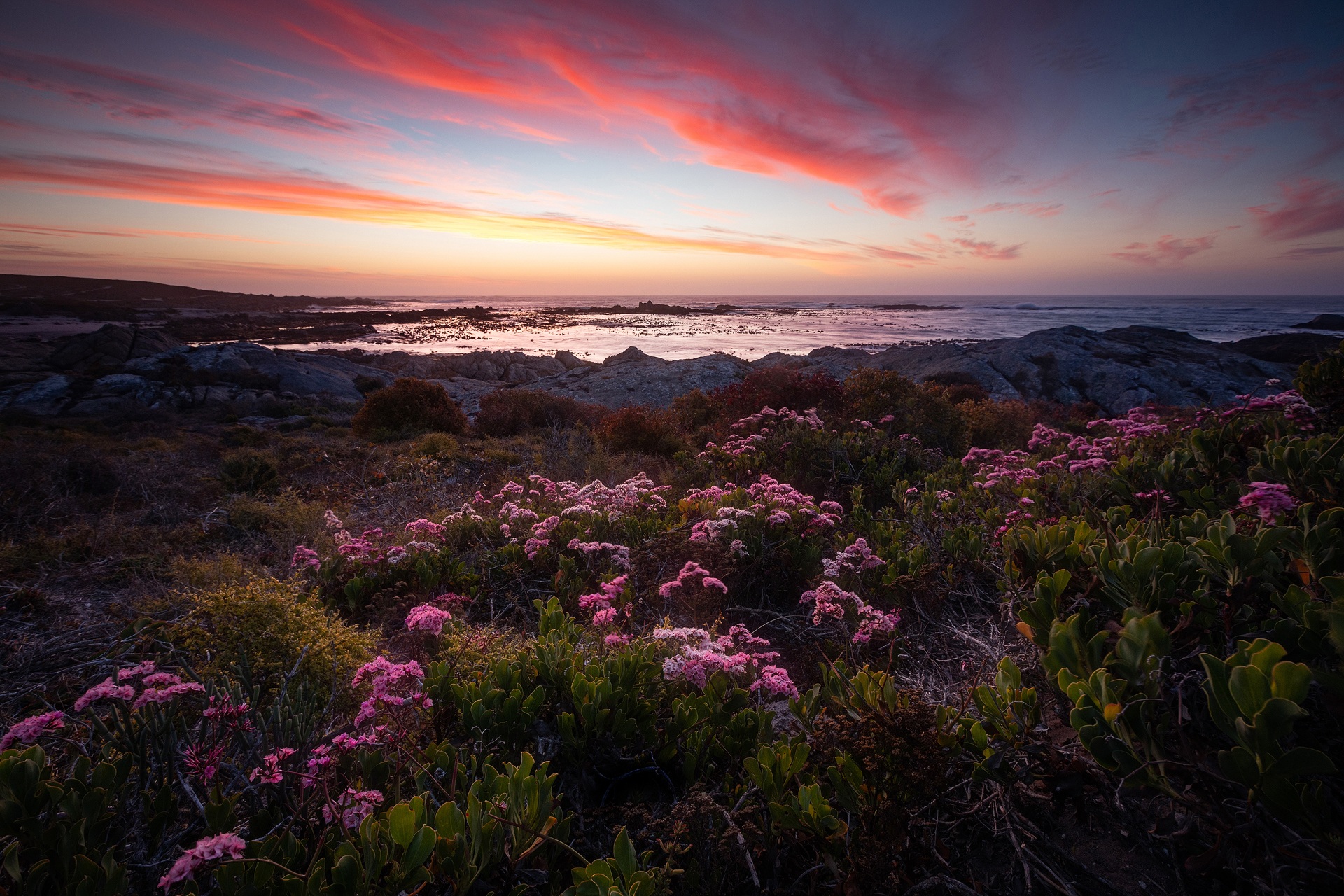
Weskus is the Afrikaans name, meaning West Coast, most commonly used to refer to this area of South Africa's Western Cape coast because the population of this area is currently, and historically, mainly Afrikaans.
Its story is one of adaptation and resilience. Each era has added another layer to the region's identity.
01First Communities
Long before Europeans reached southern Africa, Weskus was home to Khoikhoi pastoral communities and San hunter-gatherers. The coastal plains, freshwater springs and abundant marine resources supported thriving communities for thousands of years. The Khoikhoi raised cattle and sheep, while the San lived primarily by hunting and gathering. Together they developed an intimate understanding of the landscape, wildlife and ocean that still shapes the region today.
European Exploration
In 1488, Portuguese navigator Bartolomeu Dias rounded the Cape of Good Hope, opening the sea route between Europe and Asia. A decade later, Vasco da Gama anchored in St Helena Bay during his voyage to India. When the Dutch established the Cape settlement in 1652, Weskus became an important source of livestock, fish and agricultural land. Trade gradually gave way to permanent settlements, bringing profound changes.
Weskus People
The region is renowned throughout South Africa for communities that are warm and welcoming, independent and resilient, practical and hardworking, deeply connected to family, proud of their heritage and closely tied to the land and sea. Afrikaans is the dominant language across much of the region, and local traditions remain strong, particularly in smaller fishing villages and farming communities.